
Italy

participants
The main goal of the activity was to create a safe space, in order to make everyone there not only feeling seen and understood but also being conscious of how they can re-create a safe space. We've firstly discussed what is a safe space? And then proceeded in a focus group discussing about it, how can we create one, which elements are fundamentals to create a safe space and other questions. Once we've finished this activity we have proceeded to another one about the stereotypes and how can we deconstruct them.
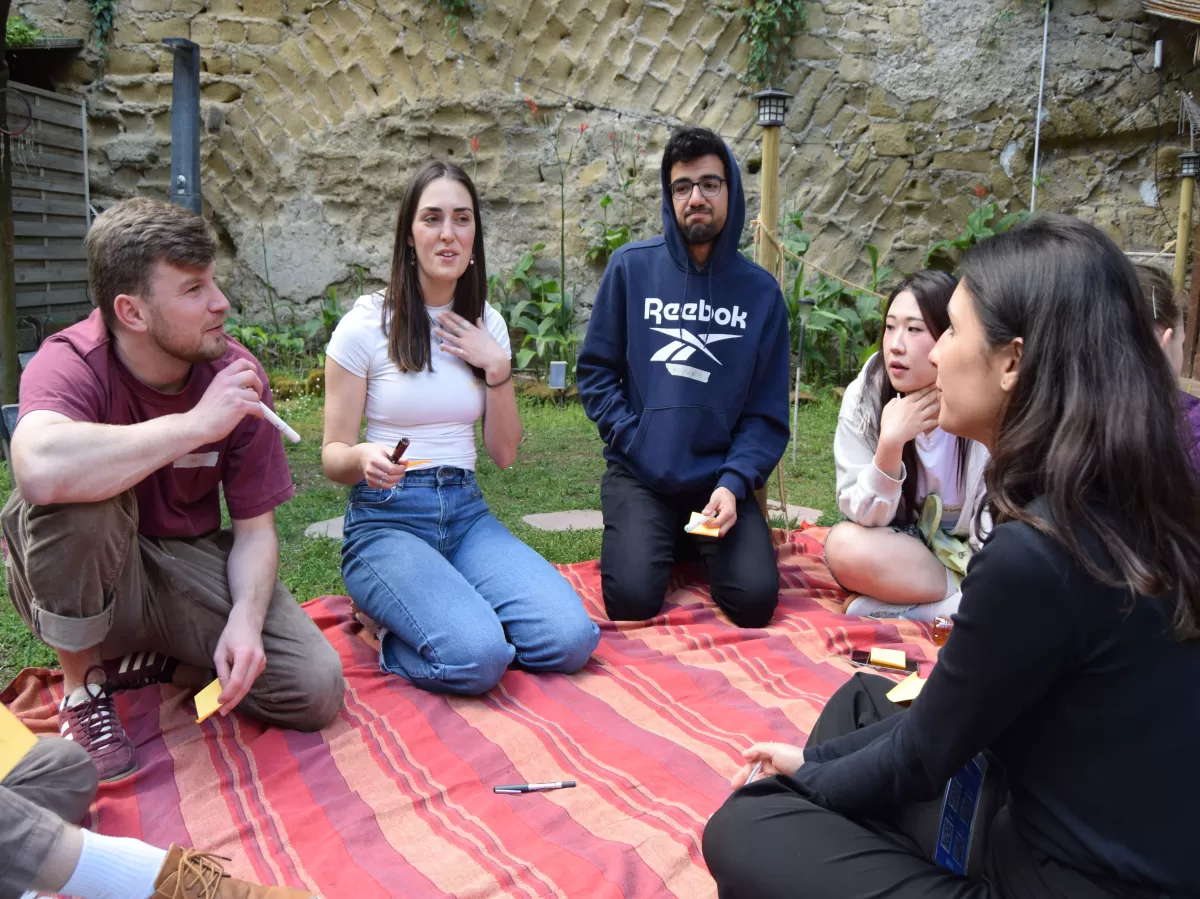
The event was structured around four main phases, flowing naturally from one to the next. It began with an introductory moment in which participants sat in a circle and introduced themselves.
During this phase, the concept of Social Inclusion was presented, and the question “What does Social Inclusion mean to you?” was posed to encourage engagement and set a reflective tone.
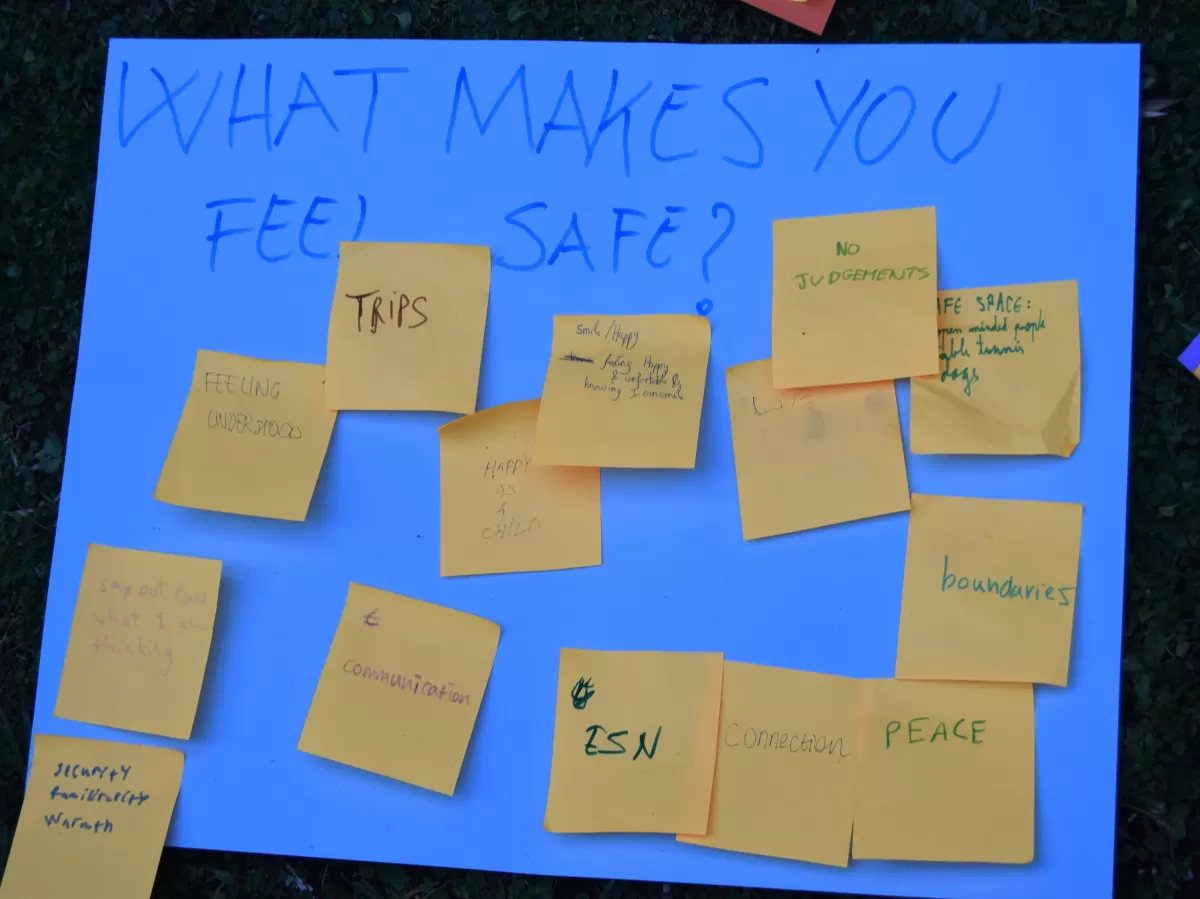
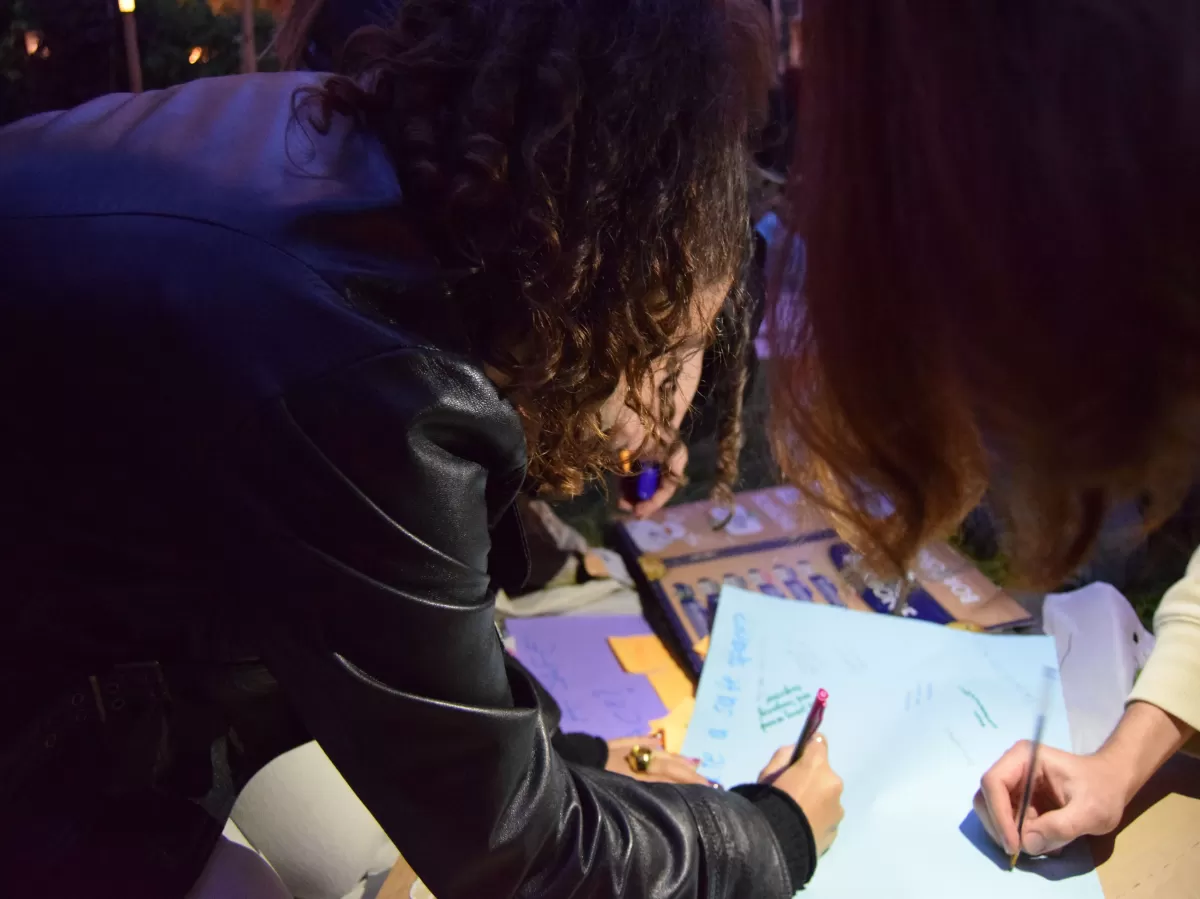
The second phase focused on deepening this reflection through an activity that asked: “What is a safe space? How is it created, and what are the key elements for its formation?” Participants were divided into smaller groups and given post-it notes on which they wrote keywords after discussing the topic together.
These keywords were then placed on four different posters, each addressing a specific question: What is a safe space? How can you make others feel safe? How can we create a safe space? And what makes you feel safe?
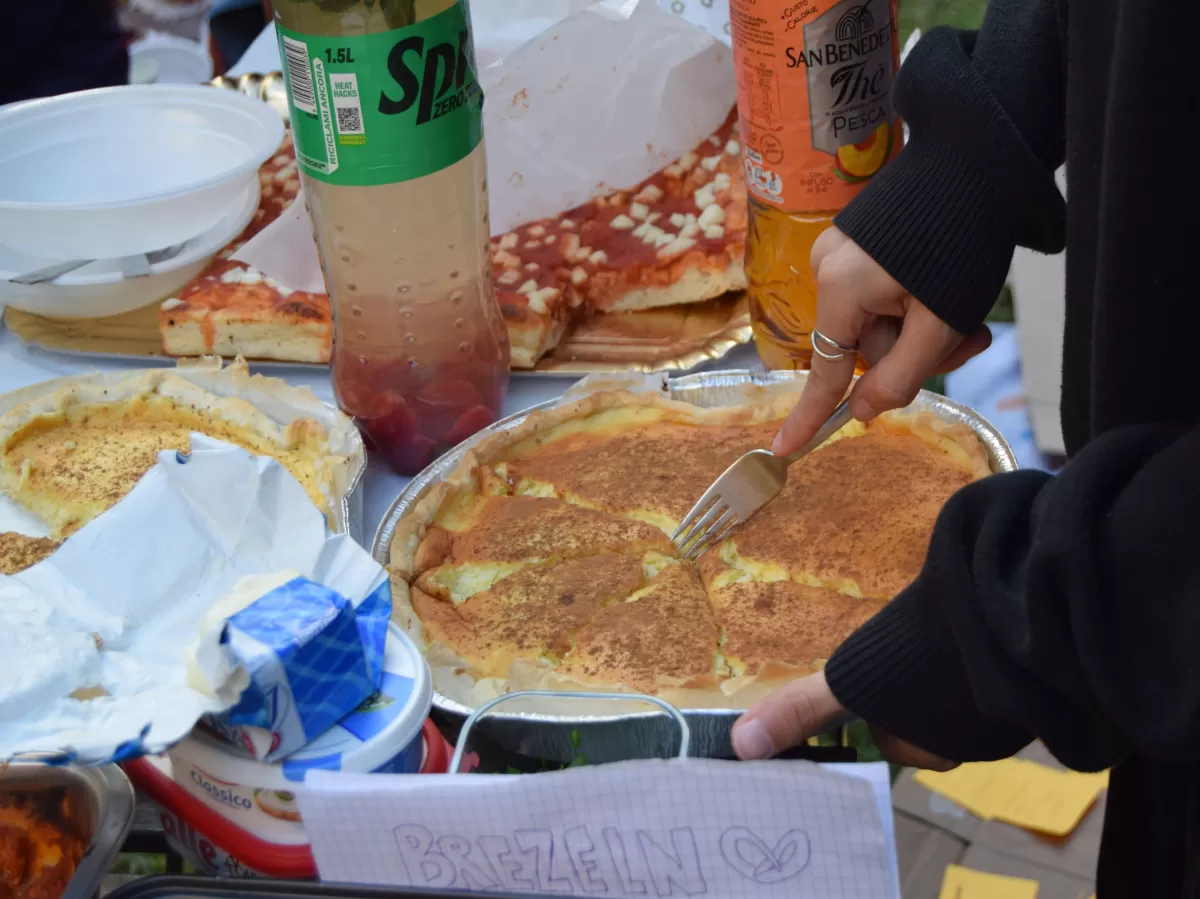
After this, the event moved into a more relaxed and convivial phase we called “fermentation,” which included a picnic where Erasmus participants brought their favorite snacks or dishes, creating a shared moment of cultural exchange and informal connection.
The final moment was one of collective reflection and gathering. We asked ourselves whether a safe space had actually been created, and the response was a clear yes.
In facilitating this reflection, I (Simona) emphasized that creating a safe space does not necessarily mean creating a comfortable space—on the contrary, establishing safety sometimes requires confronting discomfort.
At this point, we began our second activity: playing with and deconstructing stereotypes through open dialogue and debate.
Participants shared common stereotypes about their countries of origin and, working together, tried to deconstruct them using two post-it notes—one for the stereotype, one for its deconstruction. Although the activity was not fully completed due to time constraints and fatigue, it sparked engaging conversations. Throughout the event, smaller subgroups naturally formed within the original circle, giving rise to authentic and thoughtful discussions on what makes a space feel safe. It was truly meaningful to witness the spontaneous emergence of these conversations, and to see how each group explored the emotional and structural needs that define a truly safe space.